
Film vs. Digital: Maybe We’re Asking the Wrong Question
A few days ago, I posted five images on Instagram and asked a simple question:
Which ones were shot on film, and which were shot digitally?
The responses were interesting.
Some people were confident.
Some guessed completely wrong.
Some admitted they had no idea.
And honestly, that was the point.
In today’s photography world, we’ve built this massive conversation around film versus digital — as if the medium itself determines whether a photograph is meaningful, artistic, or authentic.
But here’s the reality:
Most people cannot consistently tell the difference between film and digital in a finished image.
Even many photographers can’t.
That doesn’t mean there aren’t differences. There absolutely are. Film has a certain rendering, grain structure, and unpredictability that many people love. Digital offers flexibility, speed, consistency, and incredible image quality.
Both are beautiful.
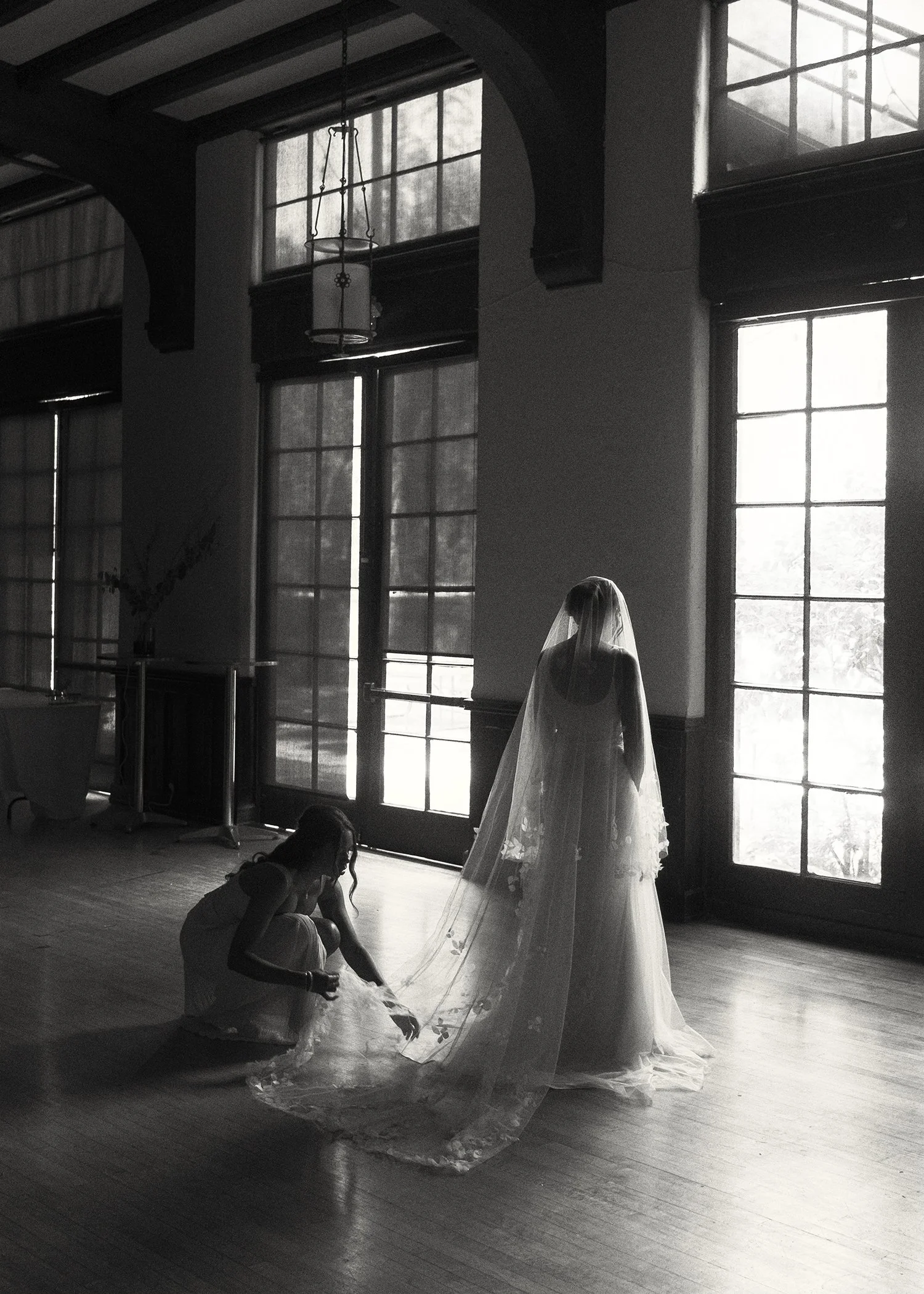
Digital photograph. Fujifilm XPro 3, 35 1.4
But somewhere along the way, the conversation shifted away from photography itself and toward branding the process.
Now film is often marketed almost like a luxury feature.
“Shot on film” has become a selling point.
And sometimes, that completely misses the boat.
Because film was never special simply because it was film.
It was special because of what people felt when they looked at the photographs.
The emotion came first.
The medium came second.
A photograph is not valuable because it contains grain or because it was developed in chemicals instead of processed in Lightroom. A photograph becomes valuable when it moves you. When it reminds you of someone. When it takes you back to a moment that mattered.
That’s the entire job.
Not perfection.
Not trendiness.
Not proving you used the “right” camera.
Just connection.
And the truth is, there is no wrong way to create that connection.
Some photographers feel more inspired shooting film. The slower pace forces intentionality. Every frame matters. There’s beauty in the waiting, in the imperfections, in surrendering some control. It’s still amazes me being in my darkroom. I hope I never lose that desire.
Others thrive digitally. They can move quickly, adapt instantly, experiment freely, and focus completely on the people in front of them rather than the mechanics of the process.
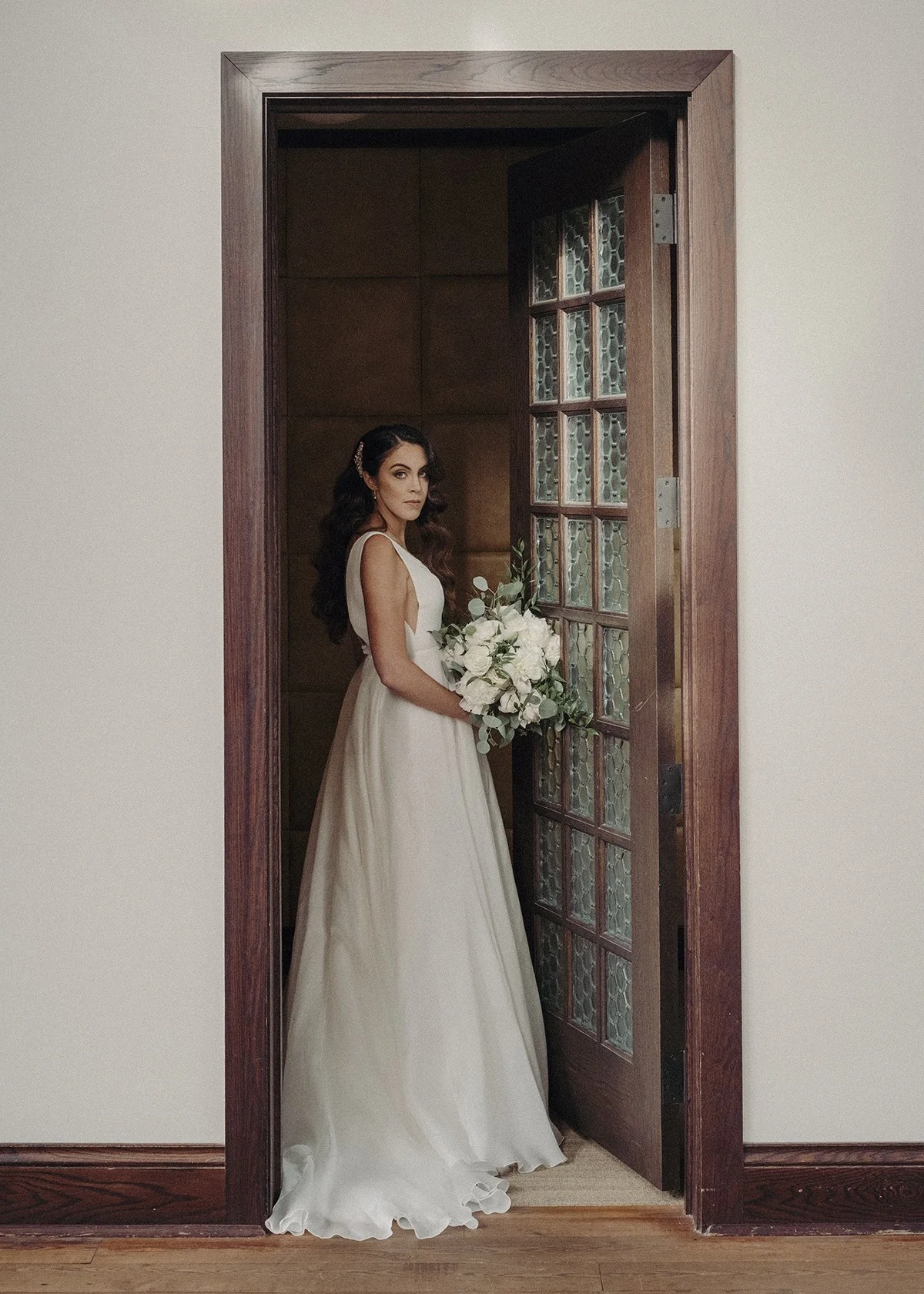
Digital photograph. Fujifilm XPro 3, 35 1.4
All that being said, I cut my teeth with film. Bled for days. LOL. No really. All that I am as a photographer has been and always will be influenced by film photographs and photographers.
Neither approach is more legitimate.
The camera is just the tool. Let me repeat that. The camera is JUST a tool.
What matters is whether the final image makes someone stop and feel something.
I think sometimes photographers become so consumed with the technical side of photography that we forget how viewers actually experience images. Most people are not zooming in to inspect grain patterns or debating color science. They are responding emotionally.
They’re looking for honesty.
Memory.
Feeling.
Nobody pulls out an old family photograph and says:
“Wow, look at the tonal response of this medium format negative.”
They say:
“I remember this.”
That’s photography.
And honestly, if viewers can’t reliably distinguish film from digital without being told first, maybe that tells us something important:
The magic was never in the medium alone.
It was always in the moment.